Mar 16 2026
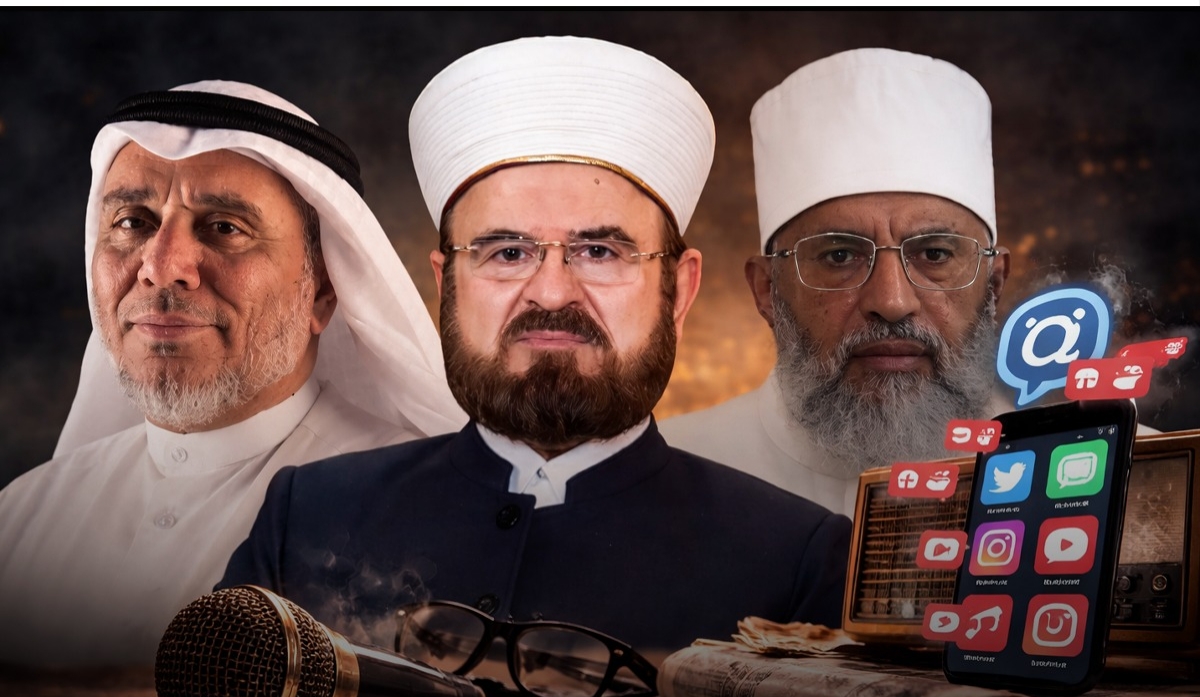
Rumors Threaten the Stability of Societies During Crises... Scholars (Including Dr. Ali Qaradaghi) Warn.
A number of Muslim preachers and scholars have called for the necessity of exercising awareness and responsibility when dealing with news and information during times of crises. They emphasized that the word in Islam is a trust, and that rushing to transmit news or spread rumors and hearsay may lead to causing anxiety and destabilizing societies.
The scholars stressed that the current phase requires Muslims to have a greater degree of wisdom and caution regarding what is published or circulated. They also emphasized adhering to the Quranic principles of verification and referring matters to experts, in order to preserve the unity and stability of society.
Verification (Investigation) Before Transmitting News
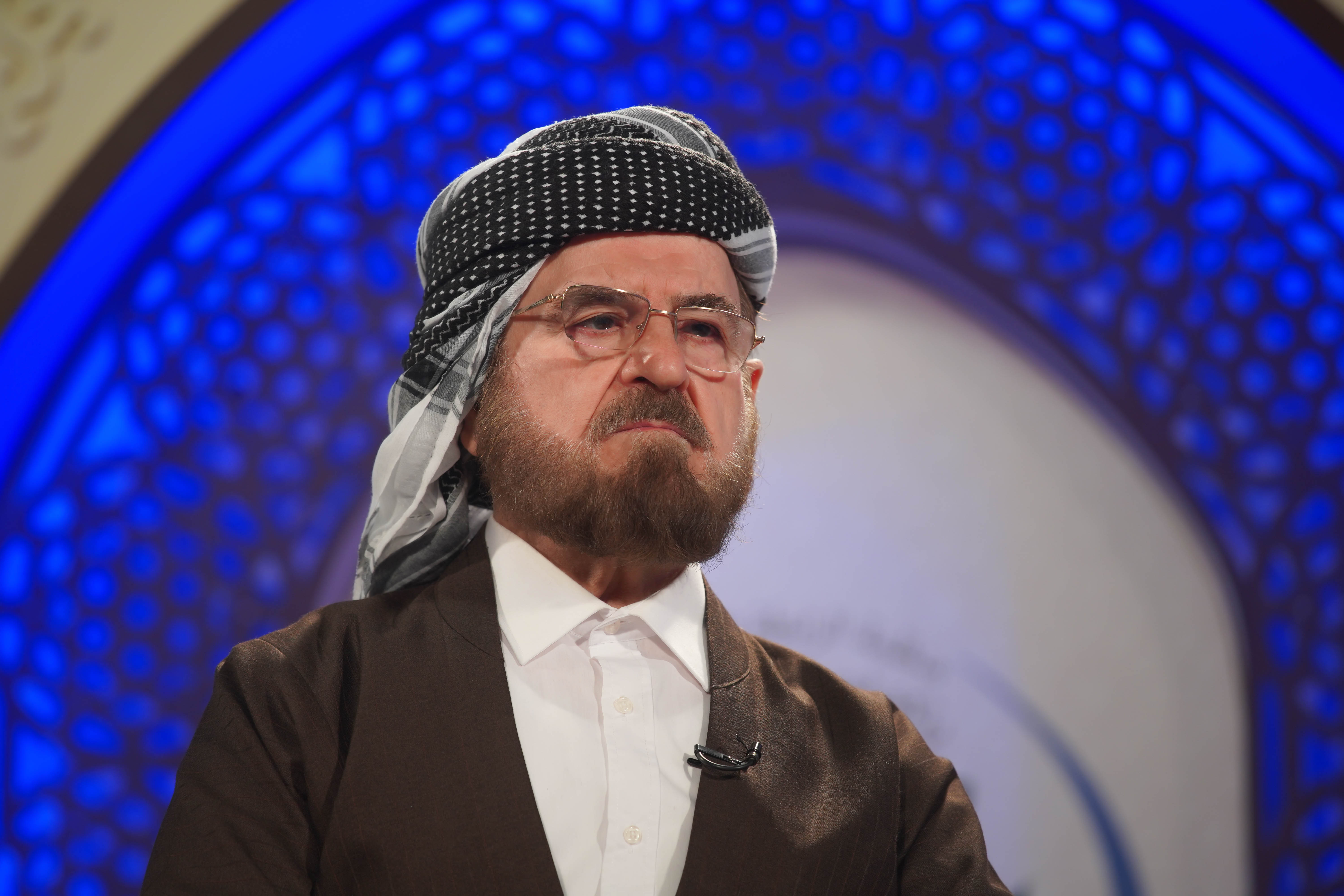
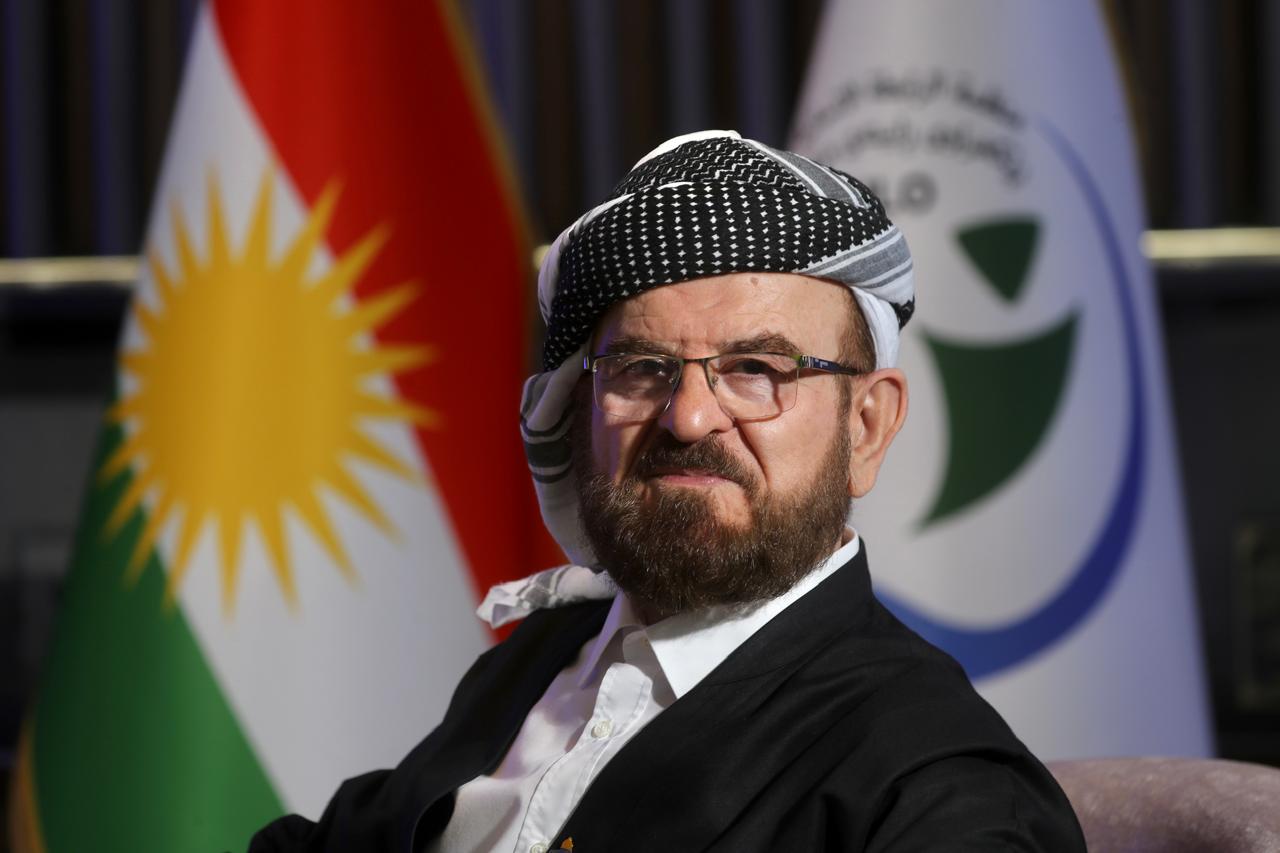
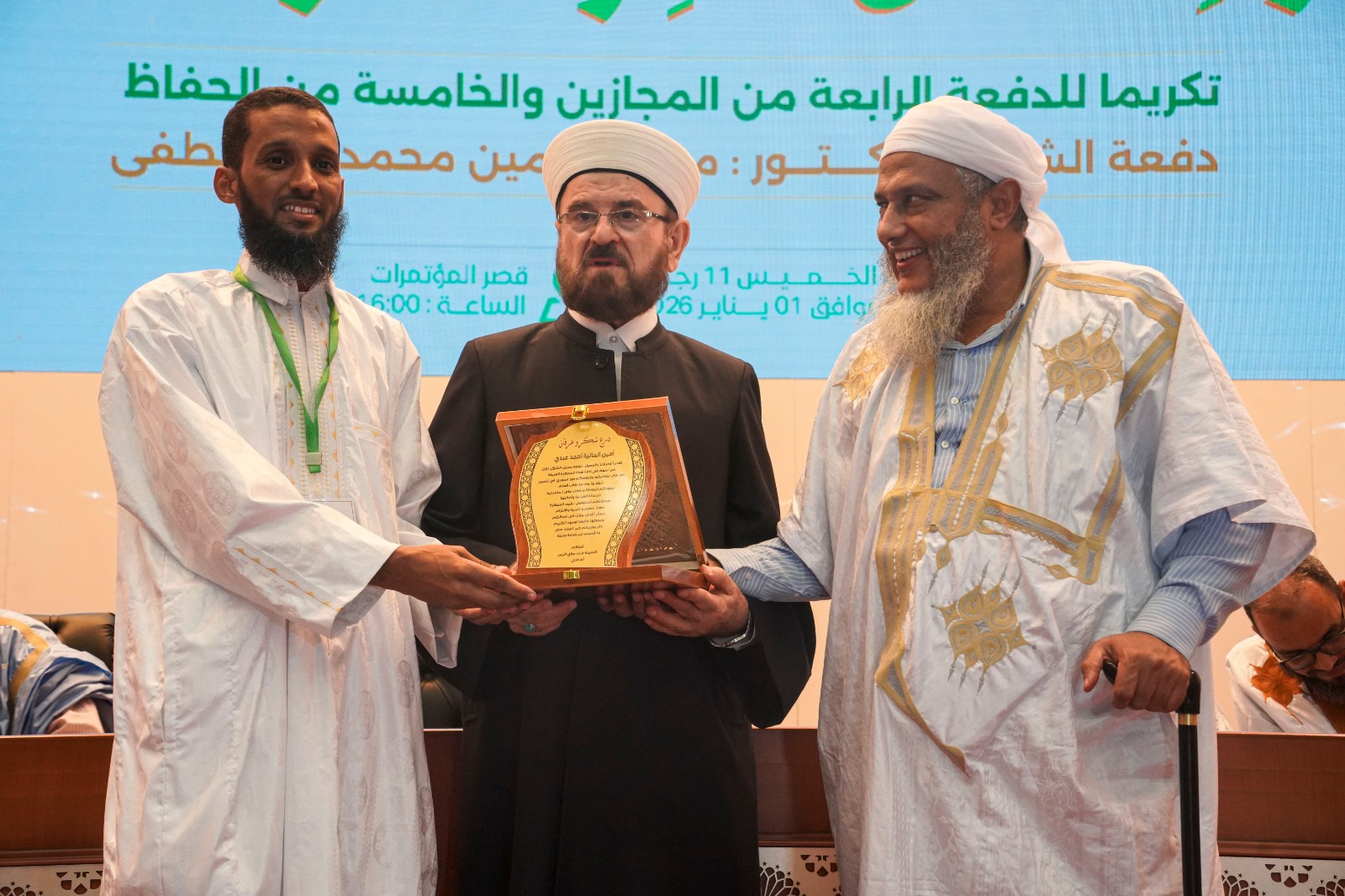
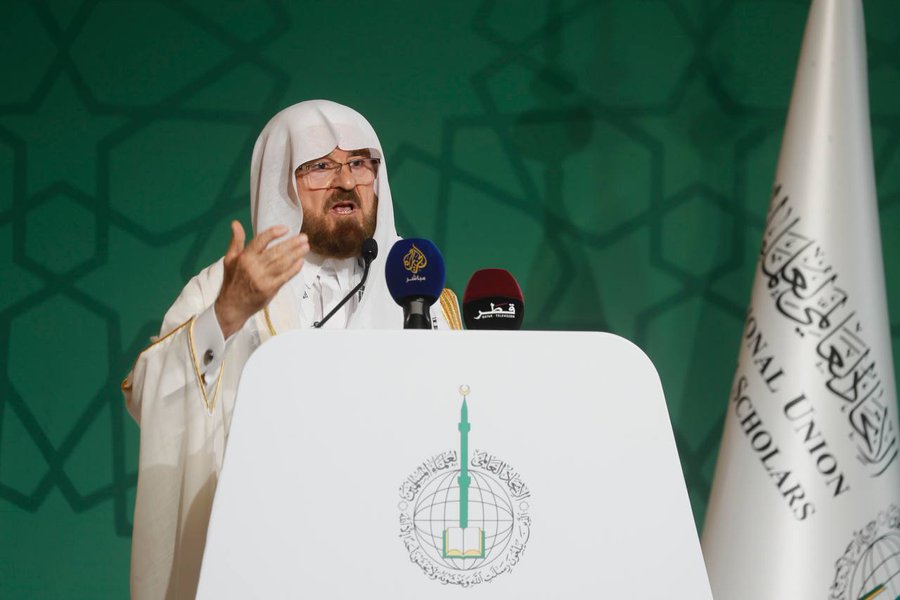
His Eminence Dr. Ali Mohiuddin Qaradaghi, President of the International Union of Muslim Scholars, stated that the word is a great responsibility in Islam, pointing to a Hadith of the Prophet (PBUH) regarding the impact of speech on a person's destruction or salvation.
He added: "The fundamental principle in Islam is verification before transmitting or publishing news," citing this verse from the Holy Quran: ﴿O you who have believed, if there comes to you a disobedient one with information, investigate, lest you harm a people out of ignorance and become, over what you have done, regretful.﴾ [Al-Hujurat: 6].
He also explained that the Holy Quran differentiates between the approach of believers and hypocrites in dealing with news related to fear and security, emphasizing that a true believer possesses wisdom and rationality, and does not rush to publish news without assessing its consequences, especially under sensitive circumstances.
He pointed out that Islamic Sharia establishes ethical standards, such as not rejoicing at the misfortune of others or exploiting disasters to create chaos (Fitnah). Furthermore, ideological or political differences do not serve as an excuse to deviate from the values of justice and fairness.
Rumors Threaten Societies
Preacher Engineer Khalid Abu Moza, a collaborating preacher at the Ministry of Endowments and member of the International Union of Muslim Scholars, emphasized that the spread of rumors during crises is considered one of the most dangerous challenges due to its impact on confusing public opinion and creating anxiety among people.
He called for ignoring and not circulating these rumors, noting that Islam has highlighted the danger of the word due to the chaos and corruption it can cause in society, in addition to the legal accountability that comes with deliberately spreading misleading news.
Abu Moza also pointed out that times of crises necessitate returning to the Book of Allah and the Sunnah of His Prophet (PBUH), as it is the standard that guides people towards tranquility and reassurance.
As evidence, he cited verses from the Quran that emphasize trusting in Allah and having patience during hardships, such as: ﴿Those to whom hypocrites said, "Indeed, the people have gathered against you, so fear them." But it [merely] increased them in faith, and they said, "Sufficient for us is Allah, and [He is] the best Disposer of affairs."﴾ [Al Imran: 173].
And the verse: ﴿Say, "Never will we be struck except by what Allah has decreed for us; He is our protector." And upon Allah let the believers rely.﴾[At-Tawbah: 51].
Rumors Are the Weapon of Hypocrites
Preacher Dr. Jaafar Al-Talhawi, member of the International Union of Muslim Scholars, pointed out that rumors are like deadly epidemics, tools for division and sowing fear, and a hidden media war waged by the enemies of society.
He added that fake messages, photos, and articles could lead to real disasters and destabilize the psychological security of society. To support this, he cited a Hadith of the Prophet (PBUH): "A servant may speak a word without being certain of it, and because of it, he will slip into the Fire further than the distance between the East and the West."
He explained that a Muslim's stance toward rumors is based on verification and investigation before believing or transmitting them, in compliance with the command of Almighty Allah: ﴿O you who have believed, if there comes to you a disobedient one with information, investigate...﴾ [Al-Hujurat: 6].
Finally, he stressed that Islam has forbidden the spreading of rumors because it leads to creating Fitnah (discord) and dismantling society. He also called on Muslims to have good faith, refer matters to experts and scholars, and refrain from speaking about things they have no knowledge of.