Dec 15 2025
In the Inaugural Meeting of the Prof.Dr. Ali Al-Qaradaghi Council: The Roots of the Islamic Ummah's Decline and a Roadmap for Solutions Discussed
Doha – Qatar
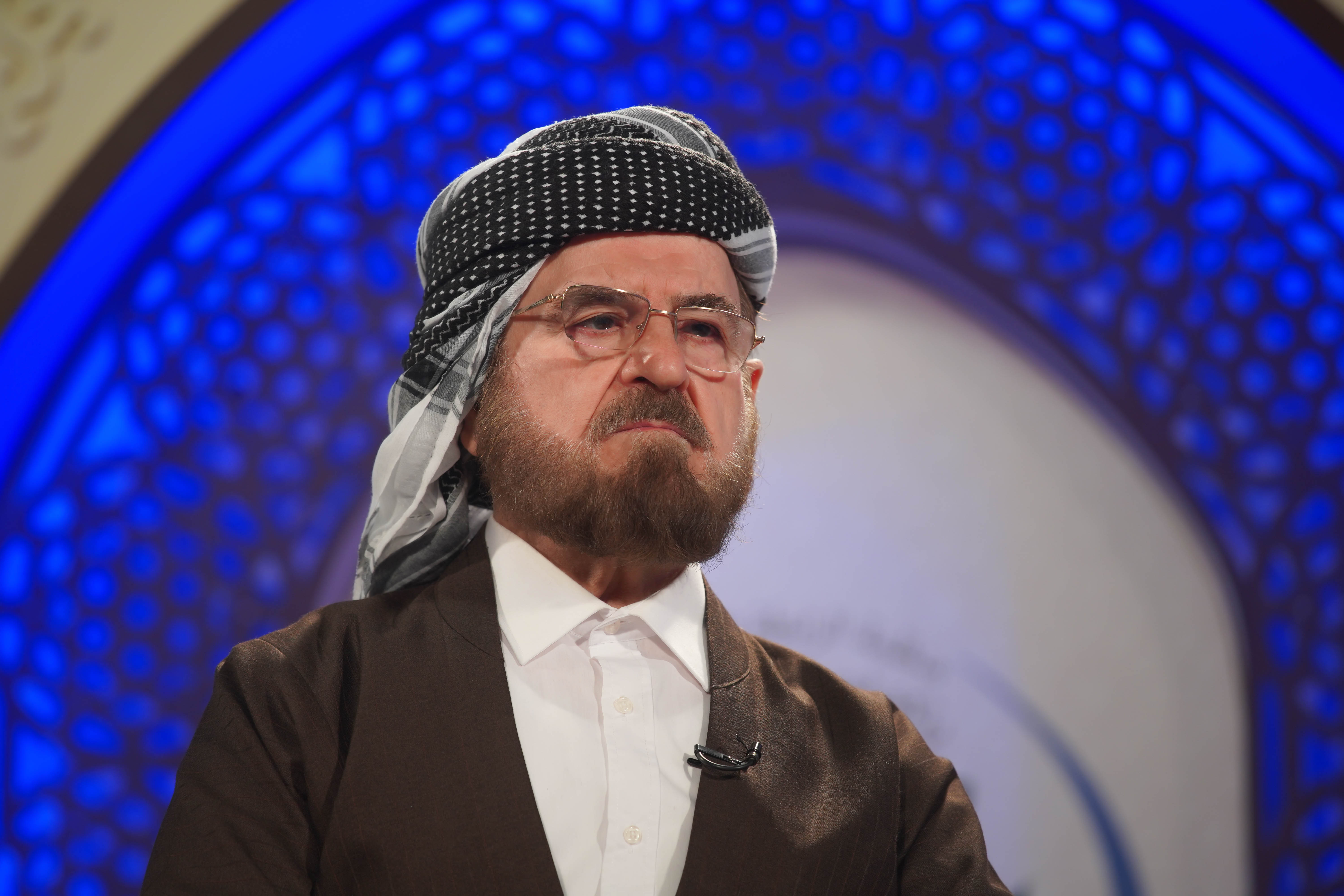
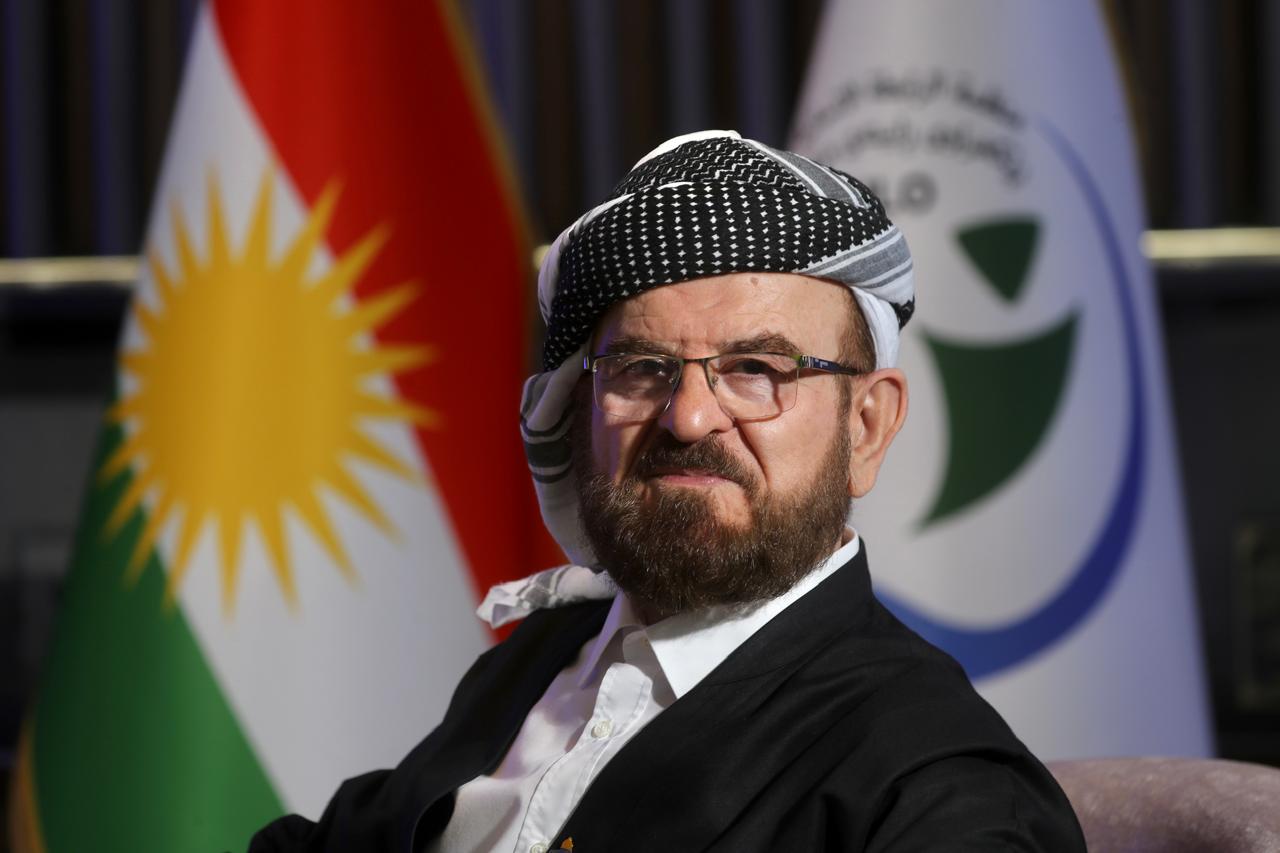
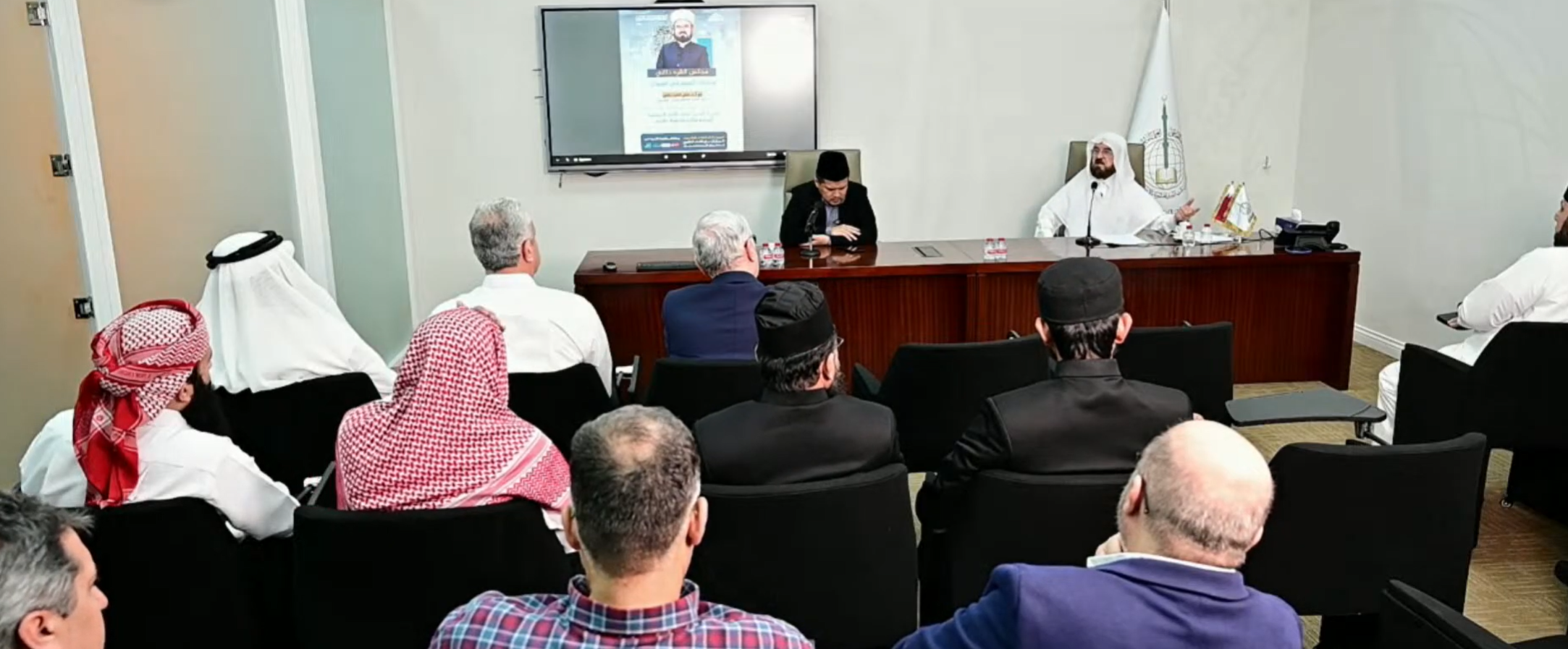
On Saturday, at the headquarters of the International Union of Muslim Scholars (IUMS) in Doha, the first session of the Prof.Dr. Ali Al-Qaradaghi Council was held under the title: "The Backwardness of the Islamic Ummah: Causes, Consequences, and Solutions." The symposium was attended by a significant number of scholars and thinkers who discussed the current situation of the Islamic world in detail.
Alarming Statistics and the Paradox of Wealth and Poverty
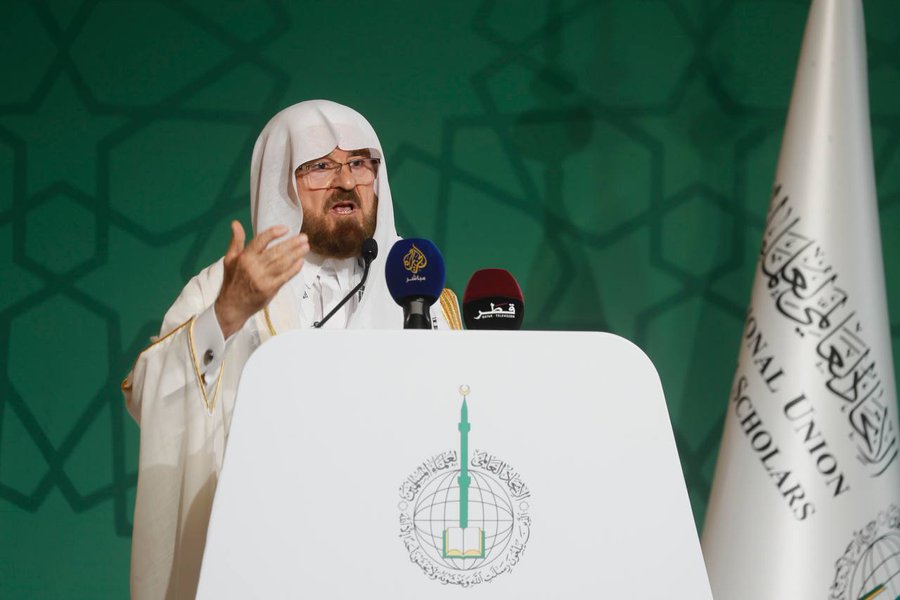
In his opening remarks, Prof.Dr. Ali Al-Qaradaghi, President of the IUMS, noted that while backwardness is a relative issue, the statistics regarding the Islamic world are alarming. He explained that according to international figures, poverty rates in the Islamic world range between 37% and 50%, and approximately 11 million people die annually due to disease and a lack of services.
Dr. Ali highlighted a major "paradox," stating: "Although the Islamic world possesses the largest reserves of oil, gas, and phosphates, due to mismanagement, it faces an 'accumulated bankruptcy' estimated at $5 trillion. Meanwhile, the budget allocated for education and scientific research in most of these countries is less than 2%."
Renewing the Historical Question
In another part of his speech, Dr. Ali revisited the historical question posed a century ago by Sheikh Rashid Rida and Emir Shakib Arslan: "Why did Muslims decline while others (the West) advanced?" He emphasized that after 100 years, this question still requires a new, practical answer, noting that the problem is not merely economic but lies deep within the realms of thought and management.
The "Fiqh of Balance" Theory and the Two Wings of Progress
Regarding solutions, Prof.Dr. Al-Qaradaghi presented an analytical vision based on the "Fiqh of Balance" (Fiq Al-Mizan). He argued that progress cannot be achieved with a single wing; rather, it requires two:
The Wing of Religiosity: Adherence to values and true faith.
The Wing of Imran (Civilization): Consisting of science, technology, and the management of life.
Dr. Ali criticized the current understanding among Muslims, stating: "Our problem is that we focus only on the appearance of religiosity (such as prayer and fasting alone) and have neglected the wing of civilization (Imran). Conversely, the West has adopted the material wing and advanced, yet they face crises due to a lack of spirit."
The Five Root Causes of Decline
The President of the IUMS summarized the root causes of backwardness in five points:
Intellectual Flaw: A problem in the way individuals and society think.
Political Flaw: The absence of freedom and the presence of political tyranny.
The Education System: Current education is neither truly Islamic nor advanced Western, failing to produce capable cadres.
Misunderstanding of Religion: Religion has been stripped of its core content—justice—and reduced to mere rituals.
Corruption: In all its forms (financial and administrative).
Important Fatwas and Practical Projects
In the final section and during the Q&A, Dr. Ali Al-Qaradaghi proposed several bold solutions:
Zakat for Science: He issued a fatwa stating it is permissible to give Zakat funds to students of medicine, engineering, and technological sciences, not just for Sharia studies, as empowering the Ummah depends on these fields as well.
Zakat for Freedom: Regarding the Zakat category of "Fi al-Riqab" (freeing slaves), he clarified that while slavery in the traditional sense is gone, a nation stripped of its will and living under tyranny falls under the ruling of "slavery," and Zakat can be used to liberate them.
Reading the Universe: He called for expanding the concept of "Iqra" (Read) to include reading the "Written Book" (the Quran) and the "Seen Book" (the Universe and science).
The "Al-Kafi" Project: He mentioned a strategic project named "Al-Kafi," capable of raising $450 billion annually through Zakat, Qard Hasan (benevolent loans), and investment Waqf to eradicate poverty, though it has unfortunately not been implemented due to political obstacles.
The council is scheduled to continue its sessions to discuss other contemporary issues concerning the Islamic world.