Nov 05 2024
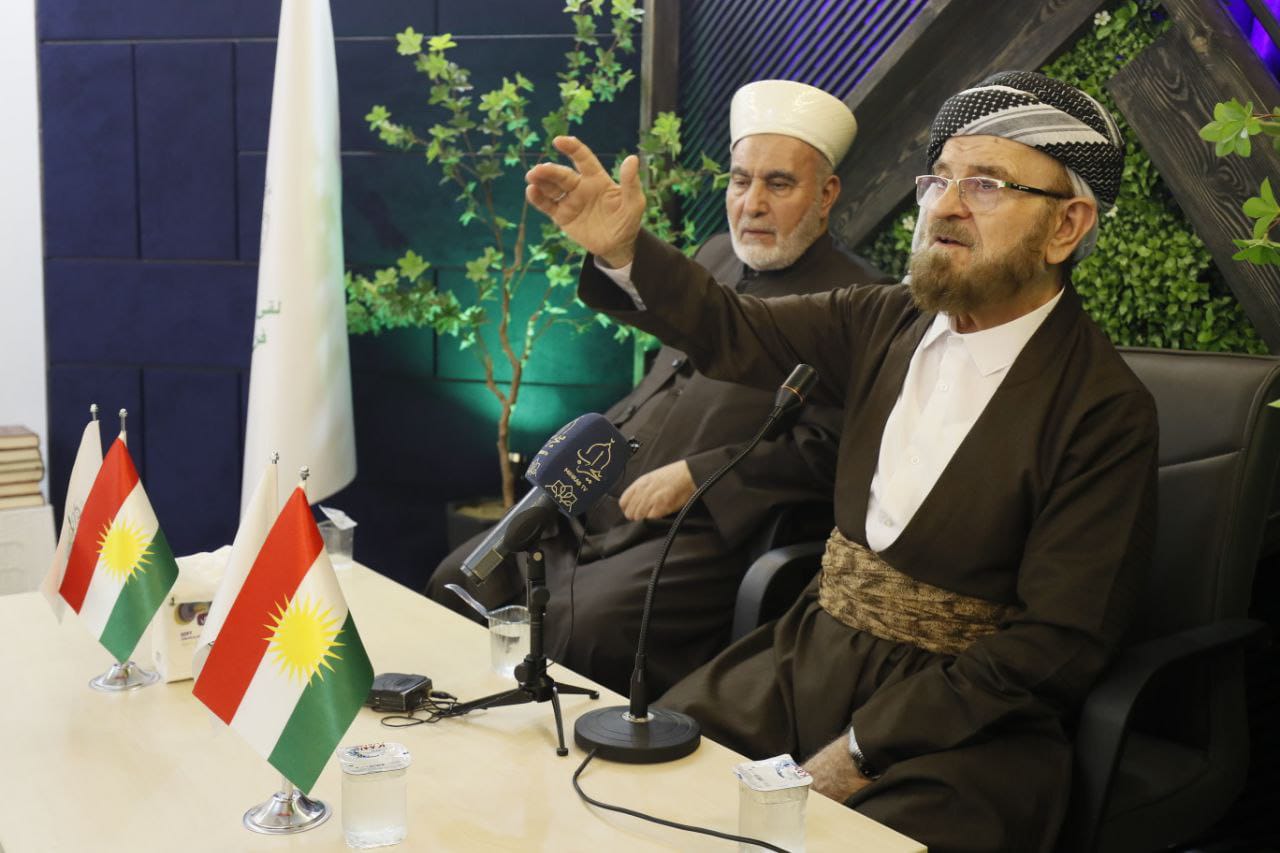
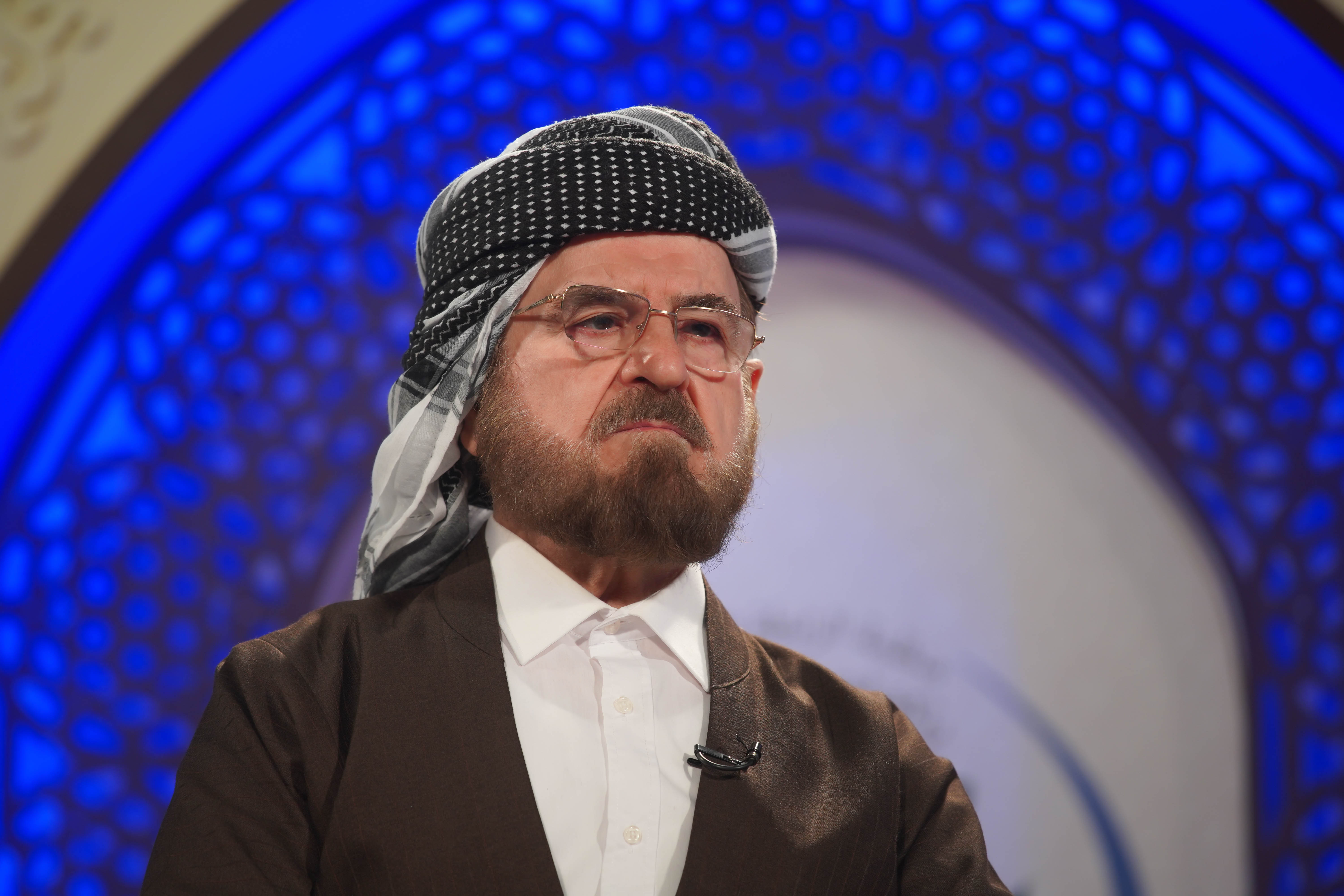
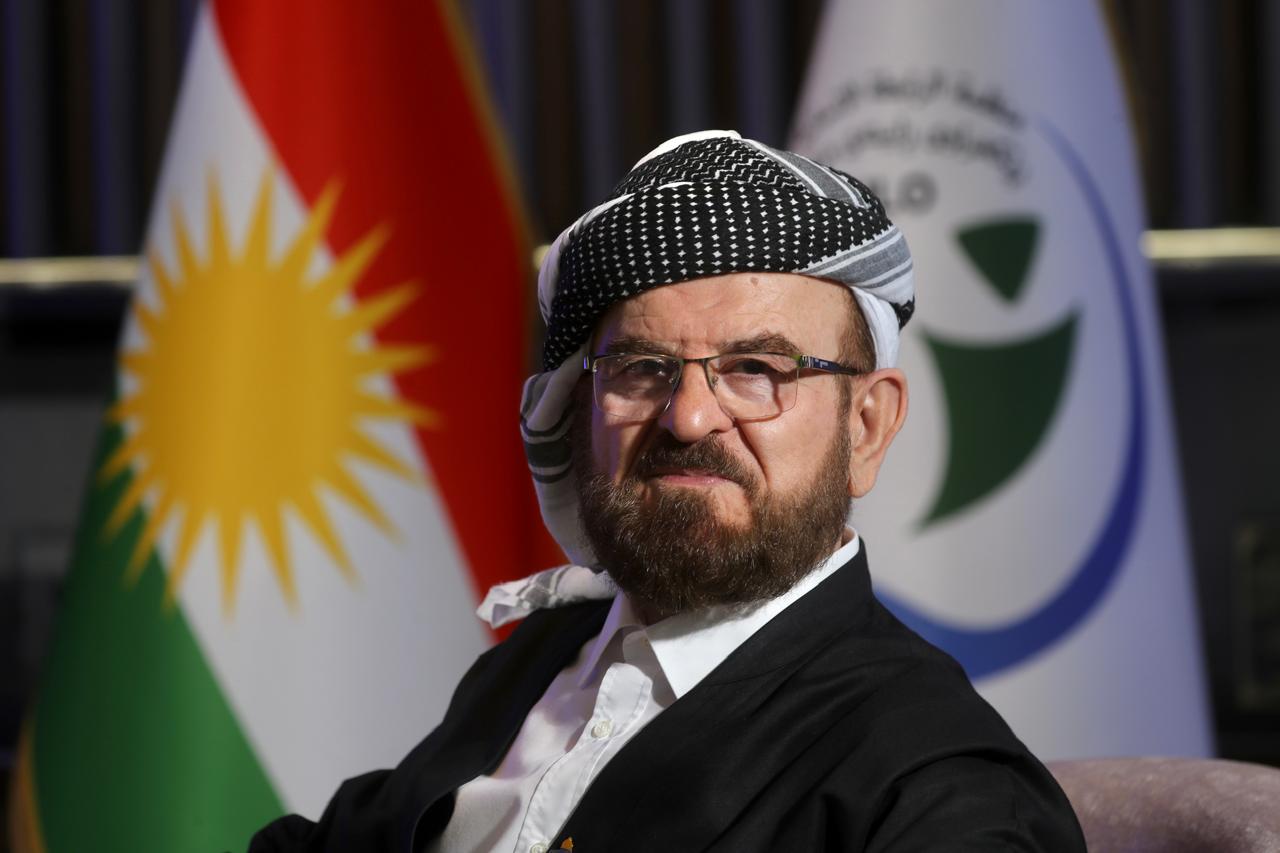
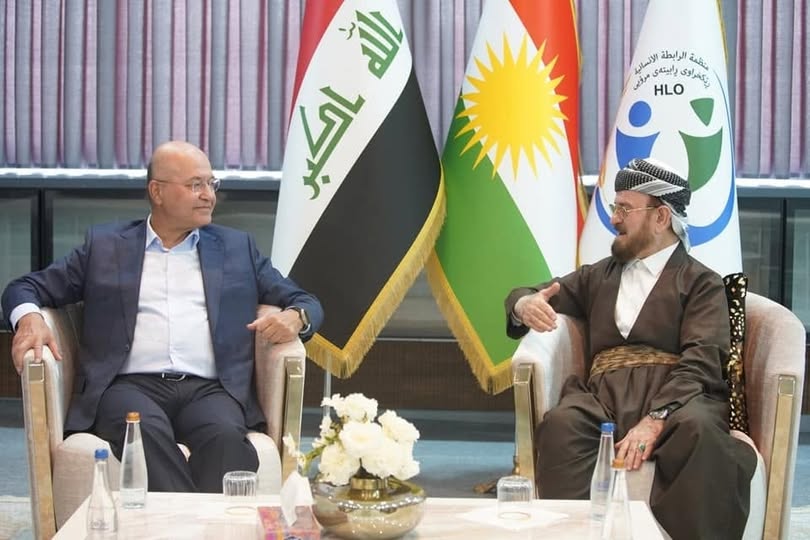
Professor Dr. Ali Qaradaghi, the head of the International Union of Muslim Scholars, visited a branch of the International Union of Muslim Scholars in the Kurdistan Region on Tuesday, November 5, 2024. He was welcomed there by Dr. Ahmed Wahab Penjweni, the head of the branch and a member of the board of trustees, along with several other members of the Union in the Kurdistan Region.
This visit by Prof. Dr. Ali Qaradaghi is an important step to strengthen the relationship between the International Union of Muslim Scholars and its regional branches, and it reflects Dr. Ali's commitment to the importance of the role of knowledge and scholars in Islamic societies.
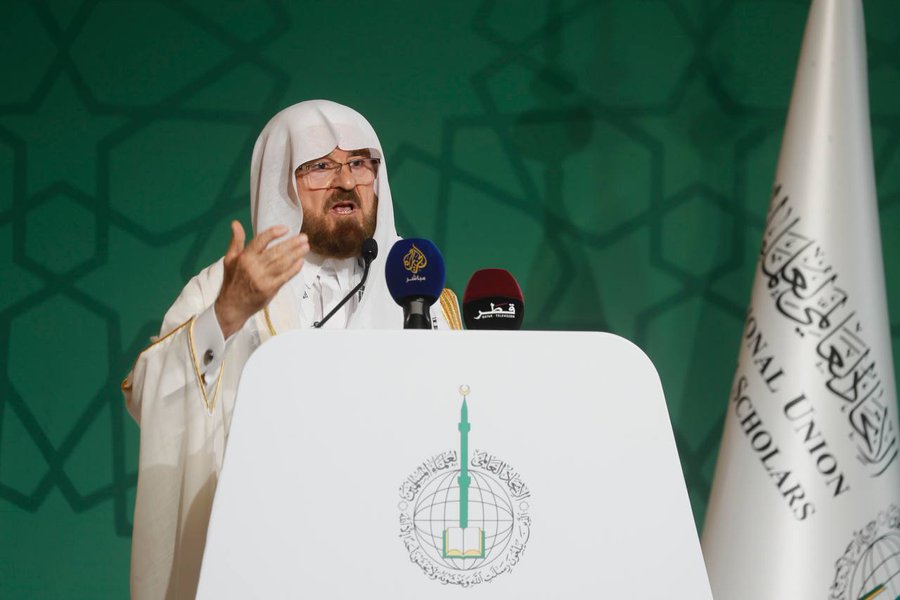
During his visit, Prof. Dr. Ali Qaradaghi delivered a speech titled "The Authority and Status of Knowledge and Scholars," in which he spoke about the prominent role of scholars in Islamic society and their great influence on intellectual, political, and social spheres. He emphasized that scholars in Islam have a leadership position and are responsible for spreading reform and preserving Islamic values in society. He also indicated in his speech that scholars and officials are the two main tools for achieving reform.
The head of the International Union of Muslim Scholars also highlighted the importance of renewing scientific curricula and focusing on practical sciences, which are the main foundation for the nation's revival.
Dr. Ali Qaradaghi also mentioned that the role of scholars in the fateful issues of the nation is very important, especially in the Palestinian issue, which needs continuous support. He also discussed the responsibility of scholars in confronting current challenges in development and advocacy. He indicated that scholars, from ancient times to the present, have been the main source of good in serving Islam and Muslims, and he called for greater attention to cooperation and collaboration between Islamic intellectual schools in the Kurdistan Region.
It is worth noting that Prof. Dr. Ali Qaradaghi's speech included a large number of scholars who are interested in Islamic affairs, numbering up to 70 scholars. This was part of the efforts of the branch of the International Union of Muslim Scholars in the Kurdistan Region to promote religious and cultural awareness in the region.